
In Italy, International Women’s Day is celebrated on March 8th as La Festa della Donna. It is a day dedicated to honoring women, their achievements, and their contributions to society while also raising awareness of gender equality issues.
Origins of Women’s Day in Italy
The origins of La Festa della Donna in Italy date back to March 8, 1946, when it was first officially celebrated after World War II. However, the global movement began earlier. The first International Women’s Day was observed in 1909 in the United States, inspired by labor movements advocating for women’s rights.
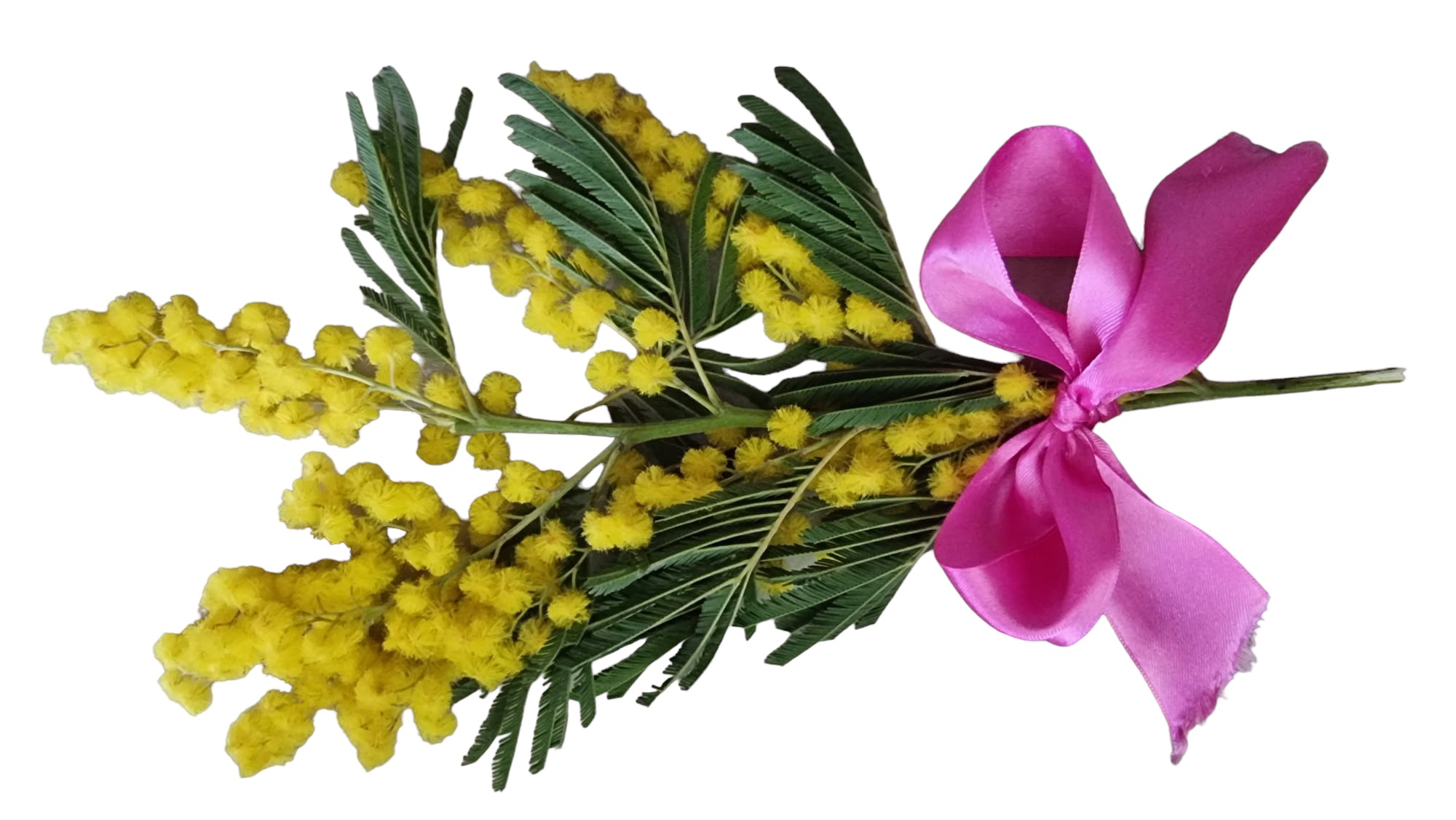
In Italy, the holiday was strongly promoted by Unione Donne Italiane (UDI), a feminist organization, to recognize women’s struggles for equality, especially after gaining the right to vote in 1945. The symbol of the celebration, the mimosa flower, was chosen in 1946 by two Italian feminists, Teresa Mattei and Rita Montagnana, because it was affordable, bright, and resilient, just like the strength of women.

How Women’s Day is Celebrated in Italy
- Mimosa Flowers: The most iconic tradition is the giving of mimosa flowers (Acacia dealbata). Men give them to women—mothers, wives, sisters, colleagues—as a sign of appreciation and respect. Women also exchange them among themselves as a symbol of solidarity.
- Events & Gatherings: Throughout Italy, there are cultural events, concerts, and feminist marches highlighting women’s rights and achievements. Museums and cultural sites often offer free entry or special exhibitions dedicated to women.
- Women’s Night Out: Many women celebrate by going out with their friends, often to special dinners, parties, or even all-female events in restaurants and clubs. This is one of my favorite ways to celebrate, going out to dinner with our bead making friends (no need to drive….we just take the vaporetto).
A Venetian Woman who Paved the Way:

The first woman to graduate in Italy was Elena Lucrezia Cornaro Piscopia, who earned her degree in 1678. She was also the first woman in the world to receive a university degree.
Who Was Elena Cornaro Piscopia?
- Born: June 5, 1646, in Venice, Italy
- Died: July 26, 1684, in Padua, Italy
- Field of Study: Philosophy and Mathematics
- University: University of Padua
Elena was a child prodigy, fluent in Latin, Greek, Hebrew, Spanish, French, and Arabic, and highly skilled in philosophy, mathematics, and music. She was a member of various intellectual circles and became well-known for her intelligence and academic contributions.
Her Historic Graduation
Initially, her goal was to obtain a degree in Theology, but the Catholic Church opposed the idea of a woman studying theology at the time. As a result, she pursued a degree in Philosophy instead. On June 25, 1678, she successfully defended her thesis at the University of Padua and was awarded a Doctorate in Philosophy, making her the first woman in history to earn a university degree.
Legacy and Impact
Elena Cornaro Piscopia’s achievement was groundbreaking, paving the way for women in higher education. However, it took centuries before women were allowed to attend universities freely. Today, she is remembered as a symbol of intellectual perseverance and gender equality in education.
2 comments for “Celebrating International Women’s Day in Italy: Traditions and History”